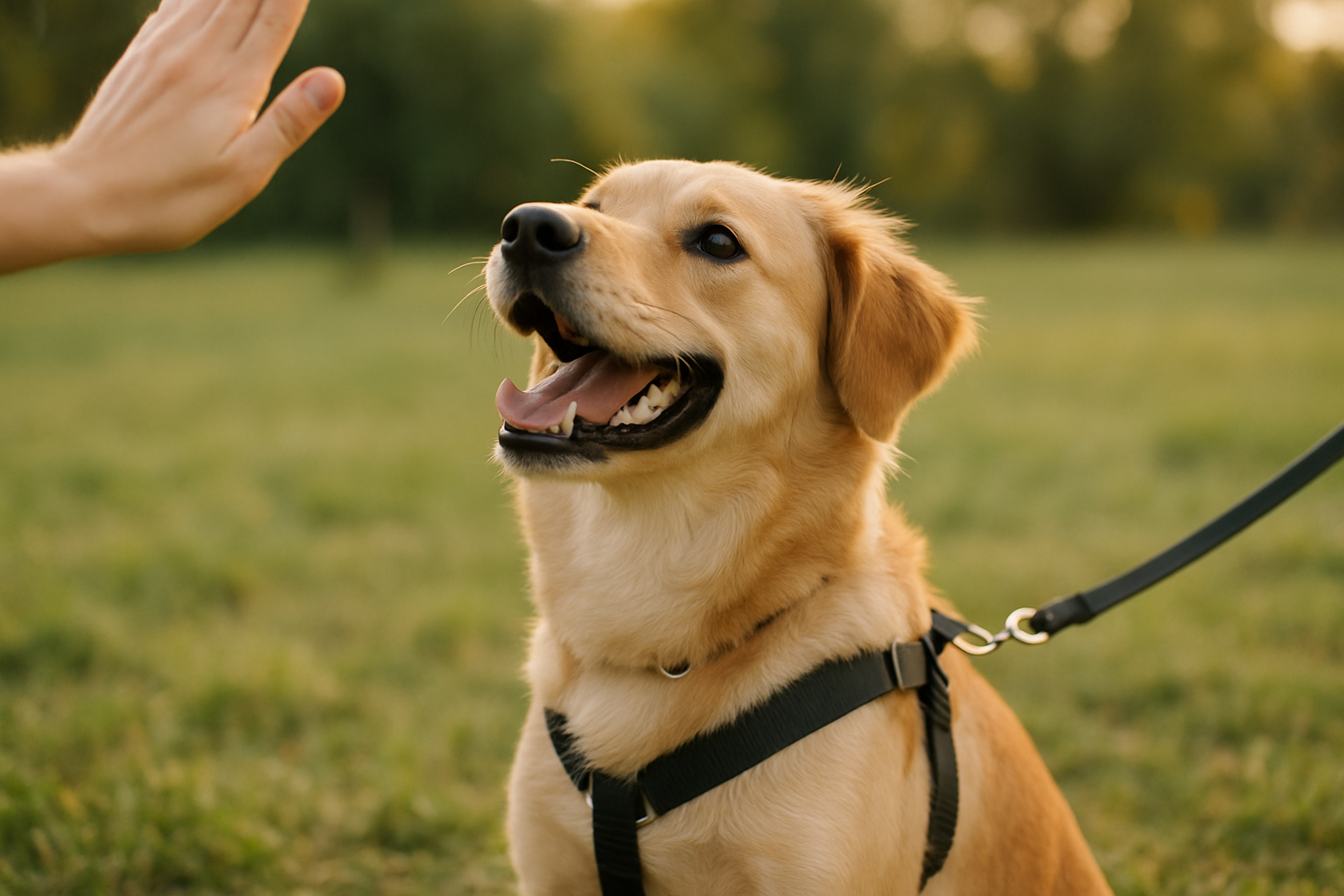
How to stop puppy humping starts with understanding that this behavior is completely normal—but that doesn't mean you're stuck with it. Whether your puppy is humping toys, other dogs, or your guests, the good news is that calm, consistent training can address it. This guide walks you through why puppies hump in the first place and gives you proven steps to redirect the behavior without punishment or frustration.
How to Stop Puppy Humping: Calm Training Steps
You're at the dog park when your adorable puppy suddenly starts humping another dog's leg. Or perhaps your pup has decided your houseguest's arm is the perfect target. Your face flushes with embarrassment, and you're left wondering: "Why is my puppy doing this, and how do I make it stop?"
First, take a deep breath. Puppy humping is one of the most common behaviors new owners encounter, and it's completely normal. While it can feel awkward or frustrating, understanding what's driving the behavior is the first step toward addressing it calmly and effectively.
Understanding Why Puppies Hump
Before you can successfully address puppy humping, it's essential to understand that this behavior isn't always what it appears to be. Many owners assume humping is exclusively sexual in nature, but the reality is far more nuanced.
It's Not Always About Sex
Puppies as young as 2 months old begin displaying mounting behavior, yet at this age, it has nothing to do with sexual drive. [2] Instead, young puppies use humping as a way to interact with their littermates, test social boundaries, and express excitement. It's part of their normal play repertoire and social learning process.
As puppies mature into adolescence, hormonal changes introduce a sexual component, but mounting still serves multiple purposes beyond reproduction. Even after spaying or neutering, some dogs continue the behavior because it has become ingrained as a coping mechanism or play habit.
Common Triggers for Puppy Humping
Understanding the root cause of your puppy's humping is crucial for addressing it effectively. Here are the most common triggers:
- Overstimulation and Excitement: Puppies at the dog park or during playtime often become overstimulated. When they're overwhelmed by sensory input and excitement, mounting can be a self-soothing behavior to help them regulate their emotions. [2]
- Seeking Attention: If your puppy has discovered that humping gets your attention—even negative attention like pushing them away—they may repeat the behavior to engage with you. [2] From your puppy's perspective, any reaction is positive reinforcement.
- Playfulness and Energy Release: Puppies hump during play with littermates and may transfer this to humans or toys. It's their way of expressing joy and releasing pent-up energy. [2]
- Boredom: A bored puppy with insufficient physical or mental stimulation may resort to humping as a way to occupy themselves and burn off excess energy. [2]
- Stress and Anxiety: Some puppies use mounting as a displacement behavior to cope with stress or anxiety, similar to how humans might fidget when nervous. [2]
- Health Issues: In rare cases, excessive mounting can indicate underlying health problems such as urinary tract infections or irritation, particularly in neutered dogs. [2] If your puppy shows sudden changes in behavior or mounts obsessively, consult your veterinarian.
Why You Shouldn't Punish Humping
One of the most important principles in addressing puppy humping is understanding that punishment is counterproductive. [3] When you yell at, scold, or physically correct your puppy for humping, they don't understand why you're upset. Since humping is a natural instinct, your puppy won't connect the punishment to the behavior in a meaningful way.
Worse, punishment can actually reinforce the behavior if your puppy interprets your reaction as attention-seeking. It may also increase stress and anxiety, potentially making the behavior worse. Instead, calm redirection and positive reinforcement create lasting change without damaging your relationship with your puppy.
5 Calm Training Steps to Stop Puppy Humping
Step 1: Identify the Trigger
Before implementing any training strategy, spend a few days observing when and where your puppy humps. Does it happen during playtime? At the dog park? When guests arrive? When they're bored? When they're tired? [2]
Keep a simple log noting:
- What time of day the humping occurs
- What your puppy was doing beforehand
- Who or what they're humping (person, dog, toy, furniture)
- How long the behavior lasts
- What stops the behavior
This information will reveal patterns and help you understand whether your puppy is humping due to excitement, boredom, attention-seeking, or overstimulation. Once you know the trigger, you can address the root cause rather than just the symptom.
Step 2: Redirect Their Attention with Intention
The moment you notice your puppy beginning to hump, calmly redirect their attention to an appropriate activity. [4] This technique works because it interrupts the behavior without creating conflict or negative associations.
How to redirect effectively:
- Keep a favorite toy or chew toy nearby when you anticipate humping might occur
- When you see mounting beginning, immediately offer the toy in an engaging way
- Use an upbeat, positive tone: "Hey, let's play with this instead!"
- Once your puppy engages with the toy, praise them enthusiastically
- Reward with treats if appropriate to strengthen the new behavior
The key is timing. Redirect before the behavior fully develops, not after your puppy has been humping for several seconds. This prevents the behavior from becoming rewarding in its own right.
Step 3: Manage the Environment
Prevention is easier than correction. By managing your puppy's environment, you can significantly reduce humping opportunities.
Environmental management strategies:
- Limit overstimulation: If your puppy humps excessively at dog parks, reduce the duration of visits or choose quieter times. Remove your puppy from the situation before they become overwhelmed.
- Separate during high-risk moments: If humping occurs when guests arrive, keep your puppy in another room initially until they're calmer, then introduce them on leash.
- Manage access to trigger objects: If your puppy humps a particular stuffed animal or cushion, temporarily remove it from reach.
- Create calm spaces: Provide a quiet area where your puppy can decompress when they're getting overstimulated.
Step 4: Ensure Adequate Physical and Mental Exercise
Boredom and excess energy are major drivers of unwanted behaviors, including humping. [2] A tired puppy is a well-behaved puppy, so make exercise a priority in your daily routine.
Exercise recommendations by age:
- 8-12 weeks old: 5-10 minutes of exercise per session, multiple times daily
- 3-6 months old: 15-20 minutes of exercise per session, 2-3 times daily
- 6+ months old: 30-60 minutes of exercise daily, depending on breed
Beyond physical exercise, mental stimulation is equally important. Puzzle toys, sniff games, training sessions, and interactive play all engage your puppy's brain and reduce the likelihood of boredom-related behaviors.
Step 5: Reinforce Calm, Appropriate Behavior
Positive reinforcement is the foundation of effective training. When your puppy chooses not to hump or engages in alternative behaviors, reward them generously. [4]
How to reinforce good behavior:
- Praise your puppy when they're calm around other dogs or people
- Reward them for playing with toys instead of humping
- Give treats and affection when they choose to lie down or sit instead of mounting
- Use a consistent reward marker (like "Yes!") so your puppy knows exactly what behavior earned the reward
Make the alternative behavior more rewarding than humping. If your puppy gets excited praise, treats, and attention for playing with a toy, they'll gradually prefer that behavior to mounting.
Special Considerations
Spaying and Neutering
For sexually intact puppies, spaying or neutering can reduce hormone-driven mounting behavior. [2] However, if humping has already become a learned habit or coping mechanism, the behavior may persist even after surgery. This is why training during puppyhood is so important—it prevents the behavior from becoming ingrained.
When to Seek Professional Help
If your puppy's humping becomes excessive, is accompanied by aggression, or if they become defensive when you try to stop the behavior, consult your veterinarian. [3] They can rule out health issues and may recommend a certified animal behaviorist or trainer who can provide personalized guidance.
Similarly, if the behavior doesn't improve with consistent training over several weeks, professional support can help identify underlying issues you might have missed.
What NOT to Do
- Don't punish or yell: This creates fear and confusion without addressing the root cause. [3]
- Don't reinforce with attention: Even negative attention can reward the behavior. Stay calm and neutral during redirection.
- Don't assume it's dominance: While mounting can occasionally signal dominance in specific contexts, this is rare in puppies. [2] Most humping has nothing to do with pack hierarchy.
- Don't ignore it completely: While occasional humping isn't a crisis, addressing it early prevents it from becoming a persistent habit.
- Don't compare your puppy to others: Every puppy develops at their own pace. Focus on your individual puppy's needs and triggers.
Key Takeaways for Puppy Owners
Puppy humping is a normal, instinctive behavior that serves many purposes beyond sexual interest. By understanding your individual puppy's triggers, you can address the behavior calmly and effectively using redirection, environmental management, adequate exercise, and positive reinforcement.
Remember that consistency is crucial. Training takes time, and you won't see results overnight. However, with patience and the right approach, most puppies naturally outgrow excessive humping as they mature and develop better coping mechanisms.
Stay calm, stay positive, and celebrate small victories. Your puppy is learning, and every successful redirection brings you closer to the well-mannered dog you're working toward.