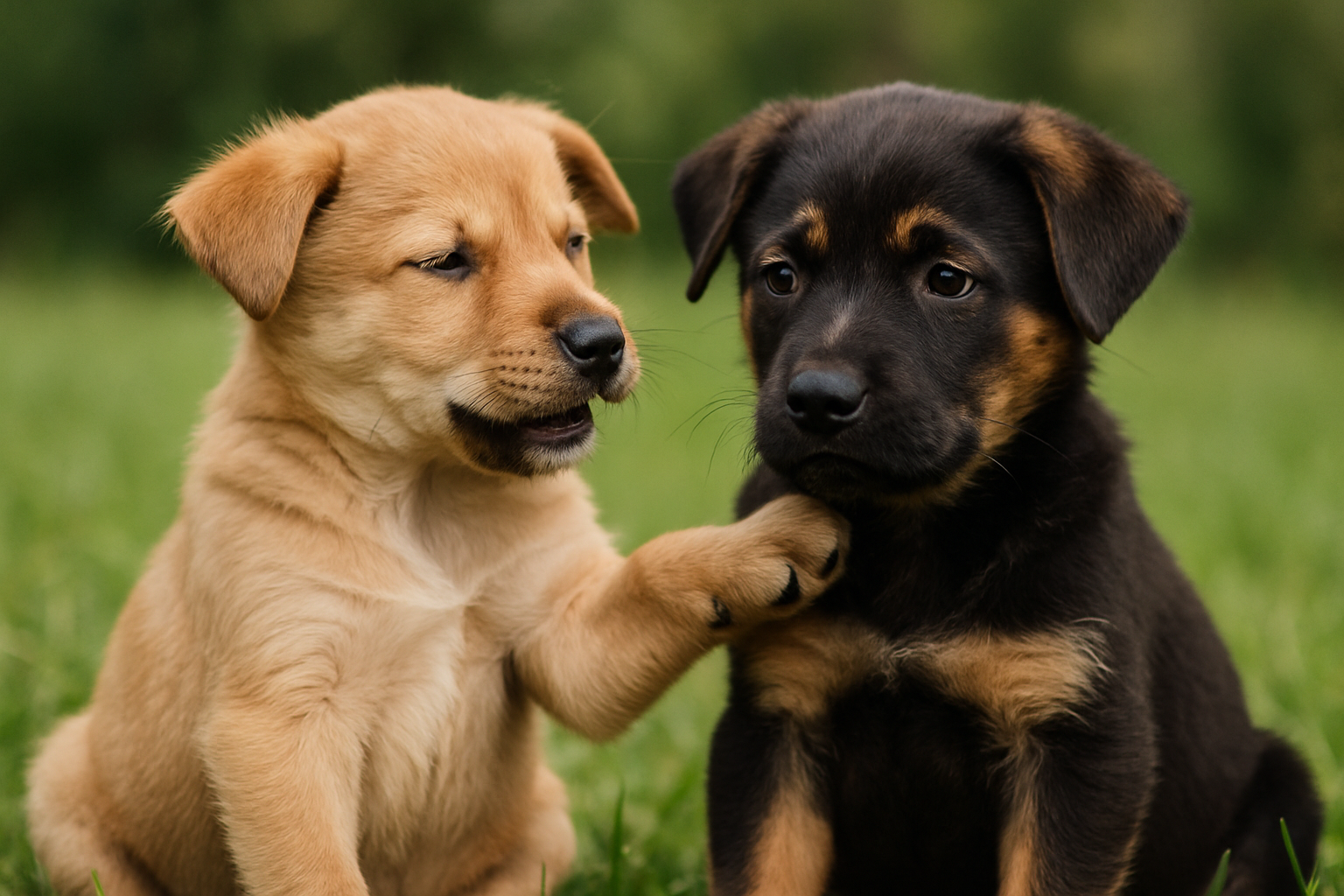
How do puppies communicate their needs effectively? Unlike humans who speak, puppies rely entirely on nonverbal signals to tell you what they're feeling, what they need, and how they perceive their environment.[3] Learning to read these body language cues—from ear position to tail height—is essential for building a stronger bond and creating a safer, more confident adult dog. When you understand what your puppy is actually communicating, you can intervene before small problems escalate and respond appropriately to their emotional state.
Why Understanding Puppy Body Language Matters
When you bring a new puppy home, you're embarking on an incredible journey of connection and learning. Unlike humans who can verbally express their needs and emotions, puppies rely entirely on nonverbal communication to tell you what they're feeling, what they need, and how they perceive their environment. This fundamental difference means that as a puppy parent, you're responsible for learning a completely new language. [3]
The stakes of this communication gap are higher than you might realize. A puppy that appears to be "acting out" might actually be signaling anxiety or fear. A playful interaction between puppies can quickly escalate into a dangerous situation if you don't recognize the warning signs. By developing fluency in puppy body language, you're not just building a stronger bond with your pet—you're also creating a safer, more confident, and better-adjusted adult dog. [3]
Think of learning puppy body language as learning to read a map to your puppy's emotional world. Every signal—from the position of their ears to the height of their tail—provides valuable information about their internal state. When you can read this map accurately, you can intervene before small problems become big ones, and you can celebrate your puppy's joyful moments with genuine understanding.
The Complete Picture: Why Context Matters
Here's something many new puppy owners don't realize: a single body language signal rarely tells the whole story. A raised paw might indicate playfulness, insecurity, or pointing behavior depending on the breed and context. A hard stare could mean excitement, overstimulation, or aggression. This is why the most important skill you can develop is the ability to look at your puppy's entire body and demeanor as a unified communication package. [3]
Rather than memorizing individual signals in isolation, train yourself to observe your puppy holistically. Notice how their ears, eyes, mouth, tail, posture, and fur all work together to paint a complete picture. This contextual awareness is what separates a truly fluent puppy-language speaker from someone who's just memorizing facts.
Reading Your Puppy's Eyes: The Window to Their Emotional State
Your puppy's eyes communicate volumes, and learning to read them is one of the most rewarding skills you'll develop. [3]
Relaxed and Happy Eyes
When your puppy is content and comfortable, their eyes often appear soft and slightly droopy, sometimes accompanied by slow blinks. You'll typically see this expression during petting sessions, especially when you're scratching their ears or giving belly rubs. Some puppies even demonstrate what's known as "puppy dog eyes"—a softer gaze that seems to melt your heart. This is genuine contentment, not manipulation (though it certainly works on us!).
Alert and Uncertain Eyes
Wide-open eyes, sometimes called "whale eyes" where you can see the whites around the iris, indicate that your puppy has noticed something and feels uncertain about it. They're essentially saying, "I see that, and I'm not sure what to think about it." This is often accompanied by tension in the body and a need for space. [3]
Averted Eyes
When your puppy deliberately looks away or avoids making eye contact, they're typically communicating one of two things: anxiety about the current situation, or a submissive, non-threatening posture. In either case, your puppy is signaling that they need some breathing room. Respecting this signal by giving them space helps build trust and prevents escalation. [3]
Dilated Pupils and Intense Stares
Dilated pupils combined with a hard, locked stare can indicate several different states: overstimulation, stress, or intense excitement about play. This is where context becomes absolutely critical. If you notice dilated pupils alongside raised hackles (fur standing up along the spine) or a puffed-out chest, your puppy is likely overstimulated and needs immediate space. [Source 3, Source 4]
Tail Talk: Decoding Wags and Positions
The tail is perhaps the most expressive part of your puppy's body, but it's also frequently misunderstood. Many people assume that any wagging tail means a happy dog, but this oversimplification can lead to dangerous misreadings. [4]
Understanding Tail Movement
A wagging tail actually signals emotional arousal—but this arousal can be positive or negative. The key is to observe the speed, direction, and position of the wag in conjunction with other body language cues. [4]
- Slow, broad sweeps: These relaxed, side-to-side wags that move the entire back end indicate a genuinely happy, calm puppy. You'll often see this greeting behavior when you come home.
- Fast, twitchy wags: Rapid, small movements suggest higher arousal levels, which could indicate excitement but might also signal tension or alertness.
- Helicopter tail: When your puppy's tail spins in a complete circle, you're witnessing pure joy. This is unambiguously a happy signal. [4]
- Directional wags: Research has shown that puppies tend to wag more to the right when experiencing positive emotions (like interacting with you) and more to the left when facing something negative. [4]
Tail Position Relative to the Ground
The height at which your puppy holds their tail reveals important information about their confidence level and emotional state. [4]
- High and flag-like: A tail held high and proud suggests confidence, assertiveness, and potentially aggressive intentions when paired with other warning signs.
- Neutral position: A relaxed, naturally-held tail indicates a calm, content puppy. Remember that "neutral" varies by breed—some breeds naturally carry their tails higher than others.
- Tucked between the legs: This is a clear sign of fear, stress, or submission. Your puppy is trying to appear smaller and non-threatening.
Ears: The Antenna of Emotion
Puppy ears are incredibly expressive, though some ear shapes are easier to read than others. Whether your puppy has perky, upright ears or floppy, hanging ears, they're constantly adjusting to communicate their emotional state. [3]
Forward-Facing Ears
When your puppy's ears are standing up and facing forward, they're signaling alertness and interest. They've noticed something and are focusing their attention on it. This is a neutral to positive signal and simply indicates engagement with their environment.
Pinned-Back Ears
Ears that are pulled back or pinned against the head can indicate nervousness, uncertainty, or fear. However, pinned-back ears paired with a wagging tail and relaxed body posture can also indicate a submissive but friendly dog. This is why observing the entire picture is so crucial. [3]
Mouth and Facial Expressions: What Your Puppy's Mouth Reveals
Your puppy's mouth is constantly communicating, from the position of their lips to what they're doing with their tongue. [3]
Relaxed and Happy Mouth
A partially open mouth with a relaxed tongue—sometimes hanging out slightly—indicates a content, happy puppy. This is often seen during petting sessions and playtime. Many puppies develop an adorable "smile" with their mouths slightly open, and this is a genuine expression of contentment.
Play Face and Excited Grin
During play, puppies sometimes open their mouths wider and show their teeth in what looks like an aggressive display but is actually a playful grin. The key differentiator is that this "play bite" expression is usually accompanied by a wiggly body, wagging tail, and soft eyes. [3]
Lip Licking and Yawning
These subtle signals often go unnoticed but carry important meaning. Lip licking and yawning can indicate stress, anxiety, or appeasement behavior. If your puppy is showing these signs repeatedly in a situation, they're communicating that they feel uncomfortable and need help. [5]
Pulled-Back Lips and Bared Teeth
When your puppy pulls their lips back to expose their canines, especially while nipping at another puppy, they're signaling overstimulation and arousal. This is a warning sign that play has become too intense and intervention is needed. [3]
Body Posture: What Their Stance Tells You
Your puppy's overall posture—how they distribute their weight and hold their body—provides crucial information about their emotional state and intentions. [4]
The Play Bow
This is one of the most recognizable and positive signals. When your puppy places their chest on the ground with their rump in the air, they're clearly communicating, "Let's play!" This signal is unmistakable and indicates a friendly, playful intention. [4]
Forward Weight Distribution
When your puppy leans forward with their weight shifted toward their front legs, they're indicating interest or intention to approach something. This can be innocent curiosity, but when paired with other aggressive signals (high tail, raised hackles, intense stare), it indicates potential offensive intentions. [4]
Cowering and Low Posture
A puppy hunched low to the ground is communicating fear or stress. They're trying to appear smaller and non-threatening. The extreme version of this posture is rolling onto their back and exposing their belly, which can indicate genuine submission and desire for comfort—or, conversely, significant stress and anxiety. [4]
Raised Hackles
When the fur along your puppy's spine stands up (called piloerection), it indicates arousal. This is an involuntary reaction similar to goosebumps in humans. While raised hackles can accompany aggressive behavior, they can also simply indicate intense interest or excitement. Always evaluate them alongside other body language signals. [4]
The Canine Ladder of Communication: Understanding Escalation
One of the most important concepts for puppy owners to understand is the "canine ladder of communication," also called the ladder of aggression. This framework helps you recognize the progressive stages of stress and fear that dogs display before they resort to more serious behaviors like growling, snapping, or biting. [5]
The critical insight here is that dogs rarely "bite out of nowhere." Before reaching that point, they've typically displayed numerous warning signals that their stress level is escalating. By learning to recognize these early signs, you can intervene before the situation becomes dangerous. [5]
Early Warning Signs
The first rungs of the ladder include subtle signals like lip licking, yawning, turning the head away, and avoiding eye contact. These early appeasement behaviors are your puppy's way of saying, "I'm uncomfortable, please stop." If these signals are ignored, your puppy will escalate to more obvious warnings. [5]
Progressive Escalation
As stress increases, puppies progress through increasingly obvious signals: stiff body posture, growling, snapping, and finally biting. Importantly, if early warnings prove ineffective but later signals (like growling) successfully stop the situation, puppies can learn to skip directly to growling in future stressful situations, creating faster escalation patterns. [5]
Trigger Stacking
Another critical concept is "trigger stacking," where multiple stressful events occur in quick succession without your puppy having time to return to a calm state. This accumulation of stress makes your puppy more reactive to subsequent triggers. Understanding this helps explain why your puppy might have an unexpectedly strong reaction to something that normally wouldn't bother them. [5]
Practical Application: Reading Your Puppy in Real Situations
During Playtime with Other Puppies
Monitor your puppies constantly during play sessions. Watch for signs that one puppy is becoming overstimulated: rapid tail wagging, forward-leaning posture, dilated pupils, and raised hackles. If you notice a more submissive puppy yelping or trying to escape, immediately separate the puppies for a play break. Prevention through active monitoring is far more effective than reacting after problems develop. [3]
Meeting New People or Dogs
Pay attention to your puppy's full body language when encountering unfamiliar individuals or other dogs. Soft eyes, relaxed ears, and a gently wagging tail indicate comfort and friendliness. Conversely, whale eyes, pinned-back ears, lip licking, and a tucked tail suggest your puppy needs space and a slower introduction. Never force your puppy into interactions; let their body language guide the pace. [3]
During Training Sessions
If your puppy shows signs of stress during training (yawning, lip licking, averted eyes, low posture), it's a signal that the session is too intense or the task is too difficult. Dial back the difficulty, take a break, or end the session on a positive note. Training should feel fun and manageable, not stressful.
Red Flags and When to Seek Professional Help
While many puppy behaviors are normal developmental stages, certain body language patterns warrant professional attention. If you notice your puppy consistently showing stress signals in situations they previously handled well, consult your veterinarian first to rule out pain or medical issues. [5]
If your puppy is displaying escalated aggression signals (growling, snapping, biting), particularly if there's rapid escalation, reach out to a certified professional dog trainer or veterinary behaviorist. Early intervention can prevent serious behavior problems from developing. [5]
Building Your Communication Fluency: Action Steps
- Observe daily: Spend time each day simply watching your puppy without interacting. Notice how they position their ears, hold their tail, and move their body in different situations.
- Keep a mental catalog: Start noting patterns. What does your specific puppy look like when they're happy? Stressed? Playful? Individual puppies have personality variations in how they express emotions.
- Video record: Film your puppy during various activities and review the footage. Slow motion can help you catch subtle signals you might miss in real-time.
- Practice context recognition: When you see a body language signal, pause and consider what else is happening. What triggered this signal? What other body parts are involved?
- Consult resources: Share videos of your puppy's behavior with trainers or veterinarians if you're uncertain about specific signals.
- Adjust your responses: Once you understand what your puppy is communicating, respond appropriately. If they're showing stress, create space. If they're showing playfulness, engage. This responsive communication strengthens your bond.
The Lifelong Benefit of Fluent Communication
Learning to read puppy body language isn't just about managing the puppy phase—it's about building a foundation for a lifetime of clear, compassionate communication with your dog. The skills you develop now will serve you through every stage of your dog's life, from adolescence through their senior years.
When you can fluently read your dog's body language, you become their advocate and protector. You know when they need help, when they need space, and when they're ready for adventure. You can prevent behavior problems before they start, and you can celebrate the unique personality and preferences of your individual dog. That's the true power of understanding puppy communication.